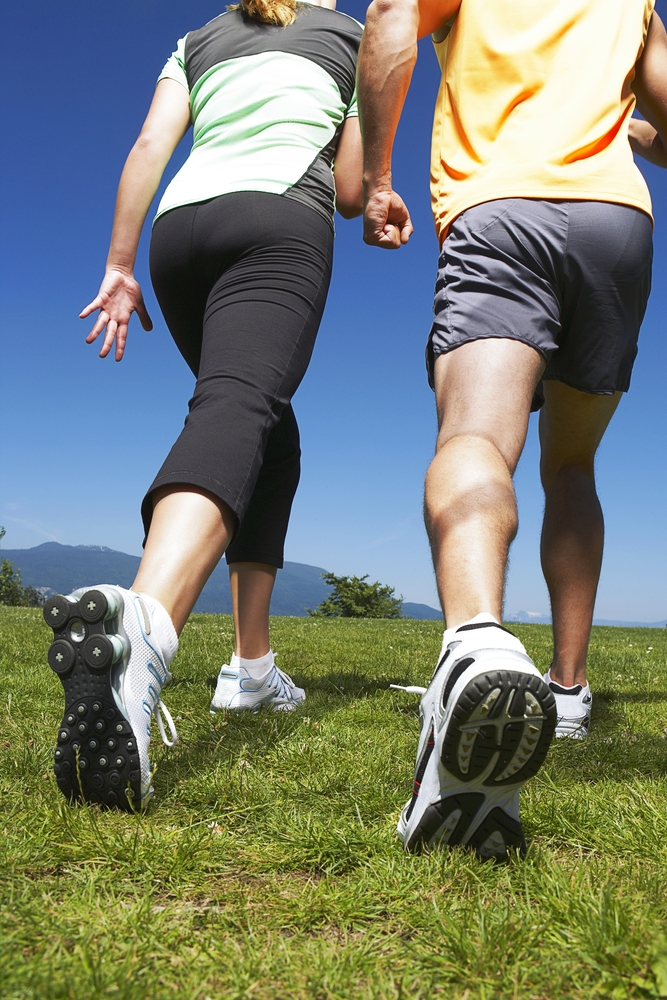
Walking for Health
September is Guildford Walkfest month, the annual celebration of our walking and rambling in and around the glorious Surrey Hills and the beautiful towns and villages on our doorstep.
Similar events take place all over the UK, and as well as giving the opportunity to join in with free, guided walks, it’s also a chance to get some of the very best exercise possible for pre, and post-operative patients.
Walking offers powerful physical and emotional benefits for people preparing for bowel cancer surgery and those recovering afterwards. It’s simple, low‑impact, and accessible to almost everyone, yet research shows it really can make a meaningful difference to outcomes.
Why Walking Matters Before Surgery (Prehabilitation)
Building strength and stamina before an operation helps the body cope better with the stress of surgery. Studies on colorectal cancer prehabilitation show that structured exercise programmes, often centred on walking, improve functional capacity and reduce the risk of severe postoperative complications. One meta‑analysis found that patients who took part in prehabilitation improved their six‑minute walk test performance by around 33 metres, a clinically meaningful gain that reflects stronger cardiovascular fitness and better resilience going into surgery.
Walking also supports lung health, circulation, and mobility, all of which help patients recover more smoothly. It can reduce anxiety, improve sleep, and give patients a sense of control at a time when life may feel uncertain. Even short, regular walks of between 10 to 20 minutes at a comfortable pace, can contribute to better surgical readiness.
Benefits of Walking After Surgery (Recovery & Rehabilitation)
Post‑operative movement is vital for bowel cancer patients. Gentle walking helps stimulate the digestive system, reducing the risk of complications such as constipation, bloating, or delayed return of bowel function. It also lowers the likelihood of blood clots and supports healthy wound healing by improving circulation.
Evidence shows that patients who engage in early, structured walking programmes after colorectal surgery experience better medium‑term physical recovery, particularly when activity continues consistently for several weeks. The same meta‑analysis reported that prehabilitation benefits become most pronounced four weeks after surgery, with improved mobility and reduced severe complications compared with patients who remained inactive.
Walking is also a powerful tool for emotional wellbeing. It can ease fatigue, lift mood, and provide gentle exposure to fresh air and nature, all of which help patients rebuild confidence and independence after treatment.
Tips for Making Walking Safe and Achievable
-
-
- Start slowly and increase distance gradually.
- Choose flat, familiar routes.
- Listen to your body, discomfort is normal, pain is not!
- Break walks into short sessions if energy is low.
- Celebrate small milestones; every step counts.
- Enjoy yourself.
-
Walking isn’t just exercise, it’s a steady, reassuring companion through the bowel cancer journey. Whether preparing for surgery or rebuilding strength afterwards, regular walking offers a simple, evidence‑backed way to support healing, confidence, and long‑term wellbeing.
As with all types of exercise, consult your clinician team before beginning, it always pays to listen to the experts.
Happy walking.