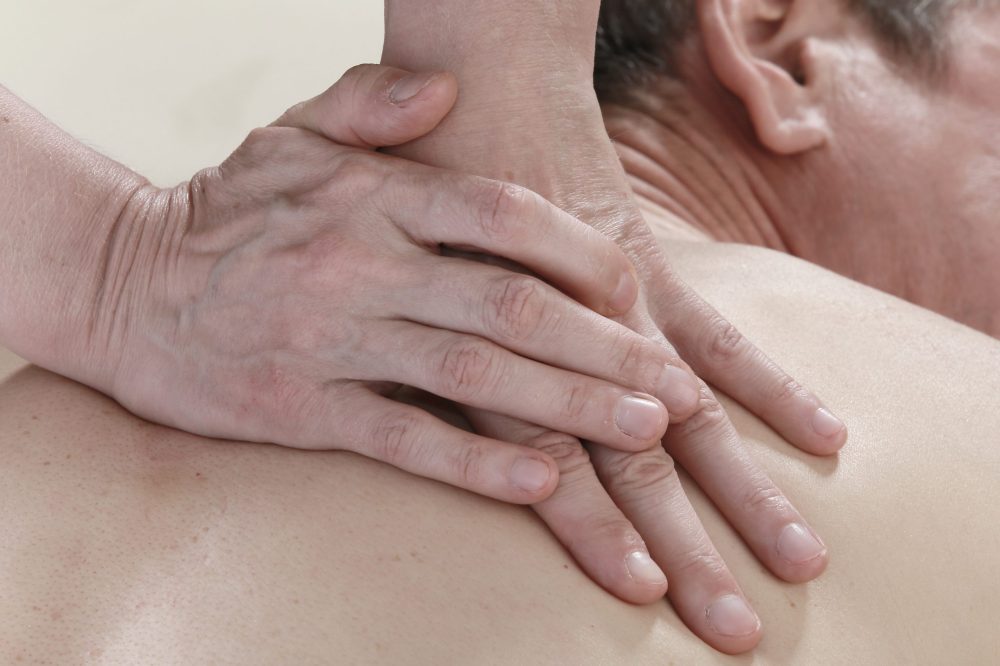
Is Massage Therapy a good idea during cancer treatment? (Part 2)
In Part 1 of this two-part feature we looked at the benefits of massage, and how under the right circumstances and with the appropriate therapist, it can be beneficial to pre and post-operative cancer patients.
In this part, we will consider what we mean by ‘the right circumstances’ and ‘appropriate therapist’.
Check with your medical team
Let’s begin with one golden rule. Before you book any treatment or massage therapy you must speak to your doctor or nursing team. When it comes to your welfare, they really are the experts and their advice could prove invaluable in choosing the right type of treatment.
Expert advice
We spoke with Katie Cheeseman, owner of the Natural Light Wellness Spa at the Holiday Inn, Guildford. Katie is a Safe Hands and SATCC accredited therapist and a member of the British Complimentary Medicine Association.
‘I initially trained in oncology massage therapy to help my mum, because while I was already an experienced general therapist, I needed to make sure that I was doing all that I could to treat her properly, and effectively.
Gaining the various accreditations has been hard work, but extremely rewarding and a genuine labour of love. People seem to appreciate the touch of someone other than a doctor, it is often a release from the vital medical process and something a little more personal.
When choosing a therapist, and I have to say that there are a great many wonderful practitioners out there, you should make sure that they are properly accredited, experienced and well-trained. To their credit, a great many spas and therapists rooms will not take on treatments for cancer patients, they very sensibly refer them to specialists.
You should ensure that the treatment rooms are suitable for your specific needs, with easy access if required, spaces to relax before and after treatments, and moveable treatment beds. Accompanied visits should be allowed, or even encouraged and of course you should ask for a complete explanation of what to expect, especially if you are new to massage treatments.
Your therapist should take time to go through a checklist of information about your general health, and the stage of your medical treatment, as well as your surgical history. At this stage it is important that you are as candid as possible and remember to take everything at your own pace, you should never feel hurried.’
We asked Katie what she feels are the most significant benefits of massage therapy.
‘It allows time to breathe, time to relax and think differently. What patients are going through is entirely unique to them, and a good therapist will help with physical, and mental wellbeing.’