
Gut Feeling Part 2
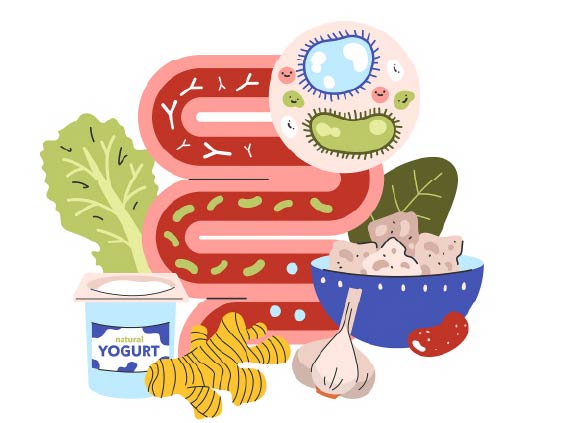
Eating for a healthy gut
In Part 1 of this little article we wrote about the Enteric Nervous System (ENS), or ‘second brain’ as it is sometimes called, and it’s importance to the immune system and the distribution of hormones and gastric acid, among a number of other things.
In Part 2 we want to explore the relationship between diet and a healthy gut.
You can barely switch on TV or walk down a supermarket aisle without being bombarded by adverts and packaging screaming about healthy foods, supplements, drinks and yoghurt. There is, in the words of the advertising executives an awful lot of ‘noise’ about the subject.
There’s also an awful lot of money to be made.
As a charity, we are not here to endorse products or add to the ‘noise’, we simply want to help our friends, supporters and those undergoing treatment, make a little more sense of it all.
Our website has lots of information about good foods, and of course foods that should be avoided or restricted for a healthy diet. We won’t go into too much detail here, but our website has some great tips for Reducing your Risk of Bowel Cancer and Eating Well During Bowel Cancer Treatment, we would urge you to take a look by clicking on the links.
Fermented Foods
We would instead like to focus on fermented foods and their benefit to a healthy gut. There is a bit of science involved, but please bear with us, we will try to get through it as quickly as possible by introducing a very explanation of some of the terms that you may have heard in the TV ads.
Microbiome – this is the incredibly complex arrangement of billions of microorganisms including bacteria, viruses, fungi and their genetic make-up that lives on, and in the human body. These microorganisms are particularly gathered in the mouth and importantly for us, the gut.
We are still learning about the full effects, but we do know that a stable microbiome is vital for overall wellness.
Probiotic – Living organisms, sometimes called ‘friendly bacteria’, the consumption of which can improve digestion, strengthen immunity and promote a balanced microbiome.
Prebiotic – Non digestible food components, usually fibre rich carbohydrates that travel through the upper tract as a ‘living fertiliser’ for the gut microbiome. Onions, leeks, garlic, and beans are all good (if a bit smelly), examples
Fermented Foods – Fermentation is a natural or controlled process where microorganisms like bacteria, yeast or mould break down carbohydrates found in sugars and starches, into alcohol or organic acids, altering the texture, flavour and nutritional value of food by creating probiotics.
Fermented foods, include kimchi, kombucha, sauerkraut, bio-live yoghurts, kefir and miso.
We said that we are not here to endorse products but our great friends at Good Fermentation have an excellent website packed with information, and plug alert… they make a donation to GUTS for every bottle of Kombucha that they sell.
So that’s Part 2 for you, and we feel that we have hardly scratched the surface of this fascinating subject. We will be adding regular blogs about Gut Health to our website, so keep your eyes peeled for more information.